

The human heart works tirelessly every single day, pumping blood, oxygen, and nutrients throughout the body. Despite its strength and resilience, it is also vulnerable to a range of conditions that can affect its function and overall health. Heart diseases are among the leading causes of death worldwide, yet many of them develop silently over time, often without obvious warning signs in the early stages. Understanding these conditions is the first step toward prevention, early detection, and effective management.
Heart health is not just a concern for older adults. With changing lifestyles, increased stress, unhealthy eating habits, and lack of physical activity, heart-related problems are now affecting younger populations as well. This makes awareness more important than ever. By learning about the most common heart diseases, their causes, symptoms, and prevention strategies, individuals can take proactive steps to protect their health and lead longer, healthier lives.
Coronary Artery Disease and Its Impact on Blood Flow
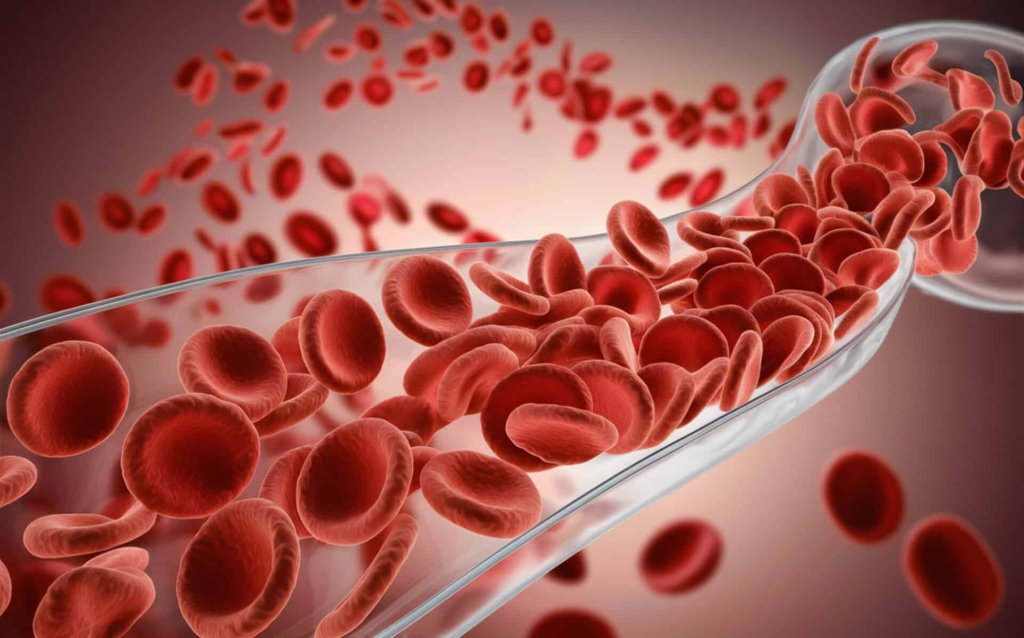
One of the most common heart conditions is Coronary Artery Disease, which occurs when the arteries supplying blood to the heart become narrowed or blocked due to plaque buildup. This plaque is made up of fat, cholesterol, and other substances that accumulate over time.
As the arteries narrow, the heart receives less oxygen-rich blood, which can lead to chest pain, also known as angina. In severe cases, a complete blockage can result in a heart attack. Many people may not realize they have this condition until they experience serious symptoms, which is why regular health checkups are essential.
Lifestyle changes such as maintaining a balanced diet, exercising regularly, and avoiding smoking can significantly reduce the risk of developing this condition.
Heart Attack as a Medical Emergency
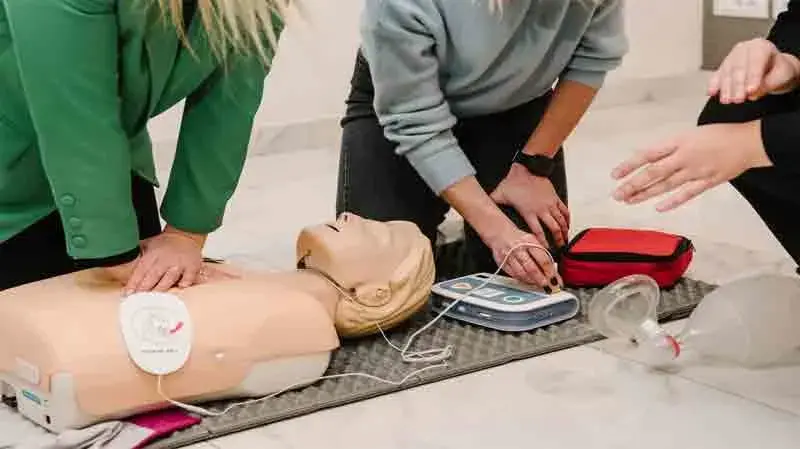
A heart attack, medically known as Myocardial Infarction, is a life-threatening condition that occurs when blood flow to a part of the heart is suddenly blocked. This blockage is usually caused by a blood clot forming in a narrowed artery.
Symptoms can vary but often include chest discomfort, shortness of breath, sweating, nausea, and pain radiating to the arm or jaw. Immediate medical attention is critical, as timely treatment can save lives and reduce damage to the heart muscle.
Understanding the warning signs and acting quickly can make a significant difference in survival and recovery.
Heart Failure and Its Progressive Nature
Heart Failure does not mean that the heart has stopped working, but rather that it is not pumping blood as effectively as it should. This condition can develop over time due to other heart diseases, such as coronary artery disease or high blood pressure.
People with heart failure may experience fatigue, swelling in the legs, and difficulty breathing, especially during physical activity or while lying down. Managing this condition often requires a combination of medication, lifestyle changes, and ongoing medical care.
Although it is a serious condition, early diagnosis and proper treatment can improve quality of life and slow its progression.
Arrhythmia and Irregular Heart Rhythms
Arrhythmia refers to any abnormality in the heart’s rhythm. The heart may beat too fast, too slow, or irregularly. While some arrhythmias are harmless, others can be dangerous and require medical attention.
Common symptoms include palpitations, dizziness, fainting, and shortness of breath. In severe cases, arrhythmias can increase the risk of stroke or sudden cardiac arrest.
Treatment options vary depending on the type and severity of the condition and may include medications, lifestyle adjustments, or medical procedures.
Hypertension and Its Silent Effects
Hypertension is often called the “silent killer” because it usually does not cause noticeable symptoms. However, it puts significant strain on the heart and blood vessels, increasing the risk of heart disease, stroke, and other complications.
Over time, high blood pressure can damage the arteries, making them less elastic and more prone to blockage. Regular monitoring and management through lifestyle changes and medication are crucial to prevent long-term damage.
Reducing salt intake, managing stress, and staying physically active can help control blood pressure levels.
Cardiomyopathy and Weakening of the Heart Muscle
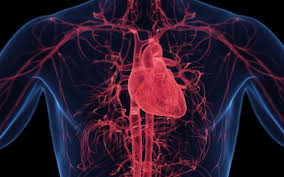
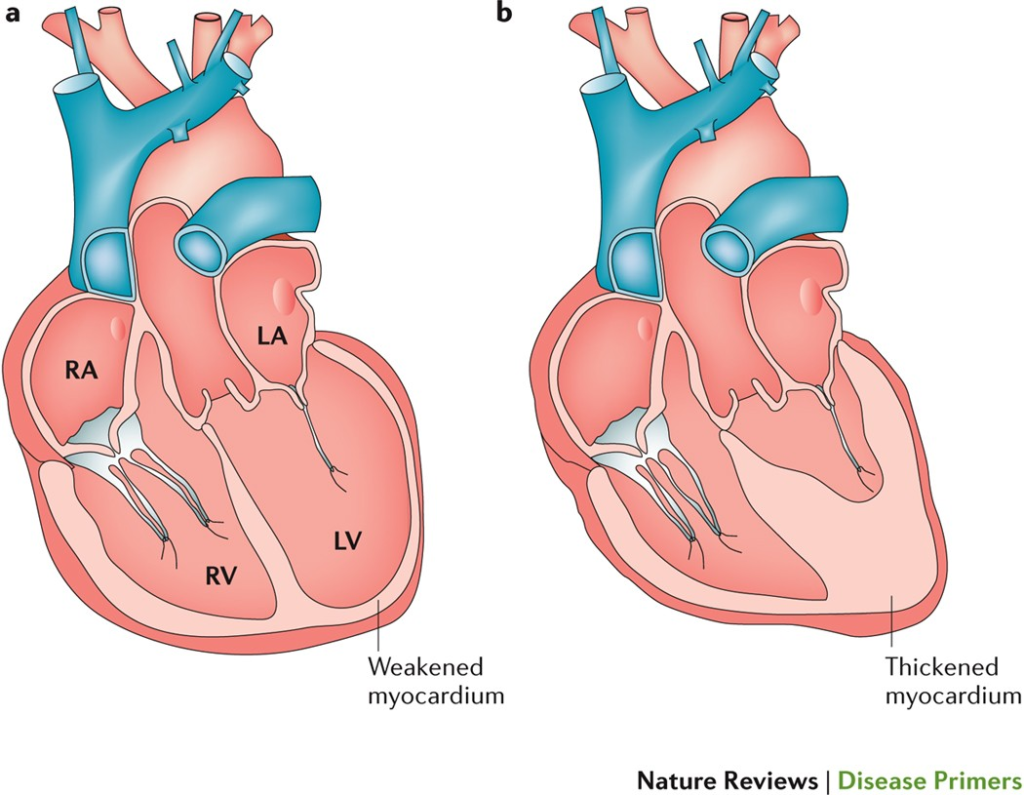
Cardiomyopathy is a condition that affects the heart muscle, making it harder for the heart to pump blood effectively. It can be caused by genetic factors, infections, or long-term high blood pressure.
There are different types of cardiomyopathy, each with its own characteristics and risks. Symptoms may include fatigue, swelling, and irregular heartbeats. In some cases, the condition may lead to heart failure.
Early detection and treatment can help manage symptoms and prevent complications.
Congenital Heart Disease and Birth Defects
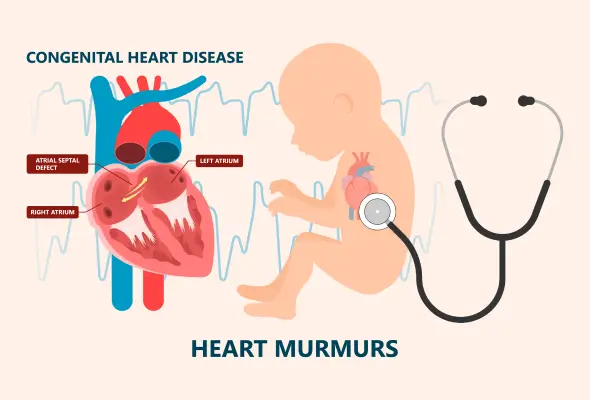
Congenital Heart Disease refers to heart abnormalities that are present at birth. These defects can affect the structure of the heart, including its walls, valves, and blood vessels.
Some congenital heart conditions are mild and may not require treatment, while others can be severe and need surgical intervention. Advances in medical technology have significantly improved outcomes for individuals with these conditions.
Regular medical care and monitoring are essential for managing congenital heart disease throughout life.
Valvular Heart Disease and Blood Flow Issues
Valvular Heart Disease occurs when one or more of the heart’s valves do not function properly. The valves are responsible for ensuring that blood flows in the correct direction through the heart.
When a valve is damaged or diseased, it can lead to either restricted blood flow or leakage. Symptoms may include fatigue, shortness of breath, and swelling.
Treatment depends on the severity of the condition and may involve medication or surgical repair or replacement of the affected valve.
Rheumatic Heart Disease and Its Long-Term Effects
Rheumatic Heart Disease develops as a complication of untreated or poorly treated throat infections caused by certain bacteria. It can damage the heart valves and lead to long-term heart problems.
This condition is more common in regions with limited access to healthcare, but it is preventable with timely treatment of infections. Awareness and early intervention play a crucial role in reducing its impact.
Peripheral Artery Disease and Circulation Problems
Peripheral Artery Disease affects the blood vessels outside the heart, particularly those supplying the legs. It occurs when arteries become narrowed due to plaque buildup, reducing blood flow.
Symptoms may include leg pain while walking, numbness, and slow-healing wounds. This condition is often associated with coronary artery disease and shares similar risk factors.
Managing lifestyle habits and seeking medical care can help improve circulation and prevent complications.
Protecting Your Heart Through Awareness and Lifestyle

Understanding these heart diseases is only the first step. The real impact comes from taking action to protect your heart health. Simple lifestyle changes can make a significant difference in reducing the risk of heart disease.
Eating a balanced diet rich in fruits, vegetables, and whole grains supports overall health. Regular physical activity strengthens the heart and improves circulation. Avoiding smoking and limiting alcohol intake also play a crucial role in maintaining a healthy heart.
Stress management is equally important, as chronic stress can contribute to heart problems. Practices such as meditation, deep breathing, and maintaining a healthy work-life balance can help reduce stress levels.
Regular health checkups allow for early detection and timely treatment of potential issues. By staying informed and proactive, individuals can take control of their heart health and reduce the risk of serious complications.
Conclusion
Heart diseases may be common, but they are also largely preventable with the right knowledge and lifestyle choices. “Top 10 Heart Diseases You Should Know About” highlights the importance of awareness in safeguarding one of the most vital organs in the body.
Each condition discussed has its own causes, symptoms, and treatments, but they all share a common message: early detection and healthy habits can save lives. By understanding these diseases and making conscious efforts to maintain heart health, individuals can lead longer, more fulfilling lives.
Your heart works for you every moment. Taking care of it is not just a choice, but a responsibility toward your overall well-being.
FAQs
1. What are the early warning signs of heart disease?
Early signs can include chest discomfort, shortness of breath, fatigue, dizziness, and irregular heartbeats. However, some heart conditions may not show symptoms initially, making regular checkups important.
2. Can heart diseases be prevented completely?
While not all heart diseases can be completely prevented, many can be avoided or managed through a healthy lifestyle, regular exercise, balanced diet, and avoiding harmful habits like smoking.
3. How often should I get my heart checked?
It is recommended to have regular health checkups at least once a year, especially if you have risk factors such as high blood pressure, diabetes, or a family history of heart disease.
4. Is stress really harmful to heart health?
Yes, chronic stress can contribute to high blood pressure and other risk factors for heart disease. Managing stress is an important part of maintaining overall heart health.
5. Can young people also suffer from heart diseases?
Yes, heart diseases are increasingly affecting younger individuals due to lifestyle factors such as poor diet, lack of exercise, and high stress levels. Early awareness and healthy habits are essential for prevention.