

In a world that constantly emphasizes qualifications, certifications, and theoretical knowledge, experience often remains the quiet force working behind the scenes. It is not always visible on paper, yet it shapes decisions, builds confidence, and creates the kind of understanding that no textbook can fully provide. Experience is not just something we gain over time; it is something that transforms us. It influences how we think, how we react, and how we grow into better versions of ourselves.
When we talk about real growth and success, experience stands at the center. It is the bridge between knowledge and wisdom, between learning and doing. While education gives us the foundation, experience builds the structure of our lives. It teaches lessons that cannot be memorized but must be lived.

Understanding the True Meaning of Experience
Experience is more than just the passage of time or the number of years spent doing something. It is about the depth of involvement, the challenges faced, and the lessons learned along the way. Two people can spend the same number of years in a field, yet their level of experience can be vastly different depending on how actively they engaged, adapted, and evolved.
Real experience comes from action. It is gained when we step out of our comfort zones, take risks, and face uncertainty. It includes both success and failure, because each contributes to our growth in unique ways. Success builds confidence, while failure builds resilience and understanding.
Experience is also deeply personal. It shapes our perspectives and influences how we interpret the world around us. This is why people with rich life experiences often display a level of maturity and insight that goes beyond academic knowledge.
Why Experience Matters More Than Theory
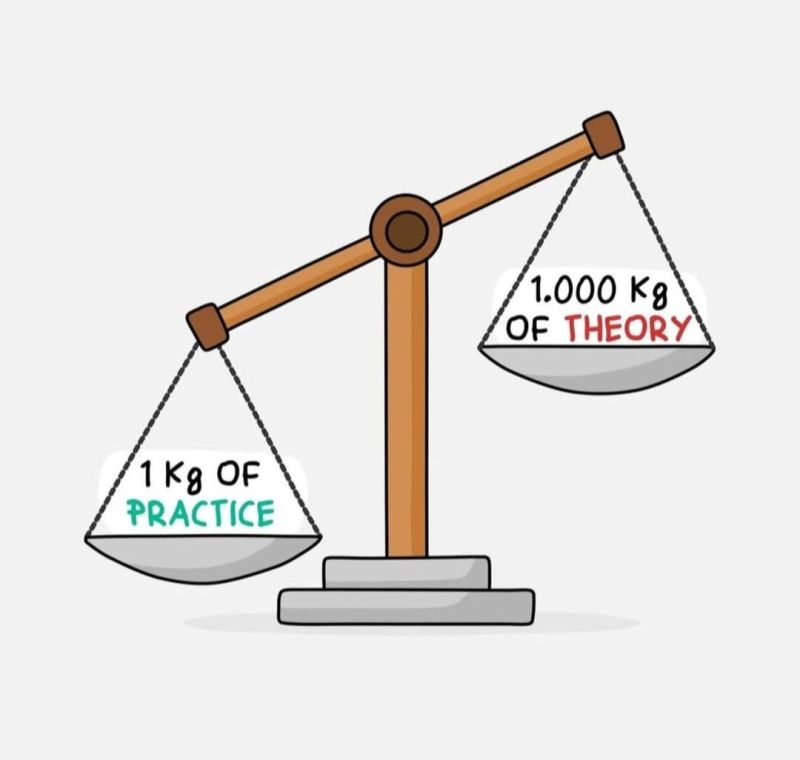
Theoretical knowledge provides direction, but experience provides clarity. You can read countless books about swimming, but you will not truly learn until you step into the water. This simple truth applies to almost every area of life.
In professional settings, experience helps individuals make better decisions. It allows them to anticipate challenges, understand patterns, and respond effectively to unexpected situations. Employers often value experienced individuals because they bring practical understanding, not just ideas.
In personal life, experience helps us build emotional intelligence. It teaches us how to handle relationships, manage stress, and navigate difficult situations. These are skills that cannot be taught in a classroom but are essential for a fulfilling life.
Experience also builds confidence. When you have faced challenges before, you approach new ones with a sense of assurance. You know that even if things do not go as planned, you have the ability to adapt and overcome.
The Role of Experience in Personal Growth
Personal growth is a continuous journey, and experience is its most powerful driver. Every situation we encounter teaches us something about ourselves. It reveals our strengths, exposes our weaknesses, and pushes us to improve.
When we try new things, we expand our horizons. We discover interests we did not know we had and develop skills we never thought possible. Even difficult experiences contribute to growth by teaching patience, resilience, and perseverance.
Experience also helps us develop self-awareness. It allows us to understand our values, beliefs, and priorities. This self-awareness is essential for making meaningful decisions and leading a purposeful life.
Growth does not happen in comfort. It happens when we challenge ourselves, take risks, and learn from the outcomes. Experience provides the opportunities for this kind of growth.
Experience as a Foundation for Success
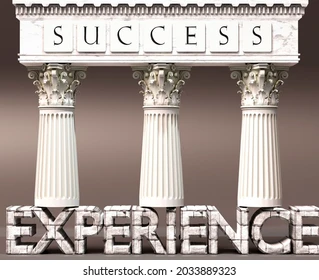
Success is often seen as the result of hard work and talent, but experience plays an equally important role. It provides the practical knowledge needed to apply skills effectively and achieve desired outcomes.
In any field, experienced individuals tend to perform better because they understand the nuances of their work. They know what works and what does not, and they can adapt their approach accordingly. This ability to adapt is a key factor in long-term success.
Experience also helps in building credibility. People trust those who have a proven track record. Whether in business, leadership, or any other area, experience adds weight to your words and actions.
Moreover, experience teaches persistence. Success rarely comes overnight. It requires consistent effort, learning from mistakes, and staying committed to goals. Experience reinforces this mindset and helps individuals stay focused even in challenging times.
Learning Through Failure and Challenges
One of the most valuable aspects of experience is the lessons learned through failure. While failure is often seen as something negative, it is actually one of the most powerful teachers.
When things go wrong, we are forced to reflect, analyze, and improve. We learn what mistakes to avoid and how to approach situations differently in the future. These lessons are often more impactful than those learned through success.
Challenges also build resilience. They teach us how to cope with difficulties and bounce back stronger. This resilience is essential for both personal and professional growth.
It is important to embrace failure as a part of the learning process. Instead of fearing it, we should see it as an opportunity to grow. Every setback brings us one step closer to success if we are willing to learn from it.
Gaining Experience in Everyday Life

Experience is not limited to major events or professional achievements. It is present in everyday life. Simple activities like interacting with people, solving problems, or trying something new contribute to our overall experience.
Being open to new experiences is key. This means stepping out of routines, exploring different perspectives, and being willing to learn. Travel, hobbies, volunteering, and social interactions are all valuable sources of experience.
Listening to others and learning from their experiences is also important. While personal experience is the most impactful, understanding the experiences of others can provide valuable insights and broaden our perspective.
The more we engage with life, the more experience we gain. And the more experience we gain, the better equipped we are to handle future challenges.
Balancing Knowledge and Experience

While experience is crucial, it does not mean that knowledge is unimportant. In fact, the two complement each other. Knowledge provides the foundation, while experience brings it to life.
The key is to strike a balance. Learning should not stop once we gain experience, and gaining experience should not be delayed in pursuit of perfect knowledge. Both should go hand in hand.
For example, in a professional setting, continuous learning helps individuals stay updated with new trends and technologies. At the same time, applying this knowledge through practical experience ensures deeper understanding and effectiveness.
A balanced approach allows individuals to grow continuously and stay relevant in an ever-changing world.
Building an Experience-First Mindset
Adopting an experience-first mindset means prioritizing action over perfection. It means being willing to try, fail, learn, and try again. This mindset encourages growth and innovation.
People with this mindset do not wait for the perfect moment. They create opportunities and learn along the way. They understand that experience is built through action, not hesitation.
This mindset also involves being curious and open-minded. It means embracing change, seeking new challenges, and being willing to step into the unknown.
Over time, this approach leads to greater confidence, adaptability, and success. It transforms the way we approach life and helps us make the most of every opportunity.
The Long-Term Impact of Experience
The impact of experience goes beyond immediate results. It shapes our character, influences our decisions, and defines our journey. It stays with us and continues to guide us throughout our lives.
Experienced individuals often display qualities such as patience, empathy, and wisdom. These qualities are not acquired overnight but are developed through years of learning and growth.
Experience also creates a sense of fulfillment. It allows us to look back and see how far we have come, the challenges we have overcome, and the lessons we have learned.
In the long run, experience is what truly defines success. It is not just about achievements but about the journey, the growth, and the person we become along the way.
Conclusion
“Experience First: The Key to Real Growth and Success” is not just a title; it is a powerful philosophy for life. Experience teaches what books cannot, builds what knowledge alone cannot, and shapes who we are in ways that nothing else can.
By embracing experience, we open ourselves to growth, learning, and transformation. We become more confident, resilient, and capable of handling whatever life throws our way. Success then becomes not just a destination but a journey filled with meaningful lessons and achievements.
In the end, it is not just what we know that matters, but what we have lived, learned, and experienced. That is where true growth and success begin.
FAQs
1. Why is experience considered more important than knowledge?
Experience is considered more important because it involves practical application. While knowledge provides understanding, experience allows individuals to apply that understanding in real situations, making learning more effective and lasting.
2. How can I gain experience without a job or professional background?
You can gain experience through internships, volunteering, personal projects, freelancing, or even daily life activities. Trying new things and actively engaging in different situations helps build valuable experience.
3. Can failure really contribute to success?
Yes, failure is a crucial part of success. It teaches important lessons, helps identify mistakes, and builds resilience. Many successful individuals have achieved their goals after learning from repeated failures.
4. How does experience help in personal growth?
Experience promotes self-awareness, improves decision-making, and builds emotional intelligence. It helps individuals understand themselves better and develop skills that contribute to overall personal development.
5. Is it possible to succeed with less experience?
It is possible, but having experience increases the chances of success. Even if someone starts with less experience, a willingness to learn, adapt, and gain new experiences can lead to growth and achievement over time.