

Living a healthy lifestyle in 2026 is no longer just about eating salads and going to the gym. It has evolved into a more balanced, mindful, and sustainable way of living that focuses on overall well-being. In today’s fast-paced world, where stress, screen time, and busy schedules dominate our lives, taking care of your health has become more important than ever. A healthy lifestyle now includes not only physical fitness but also mental clarity, emotional strength, and a sense of purpose.
Understanding What “Healthy” Really Means Today
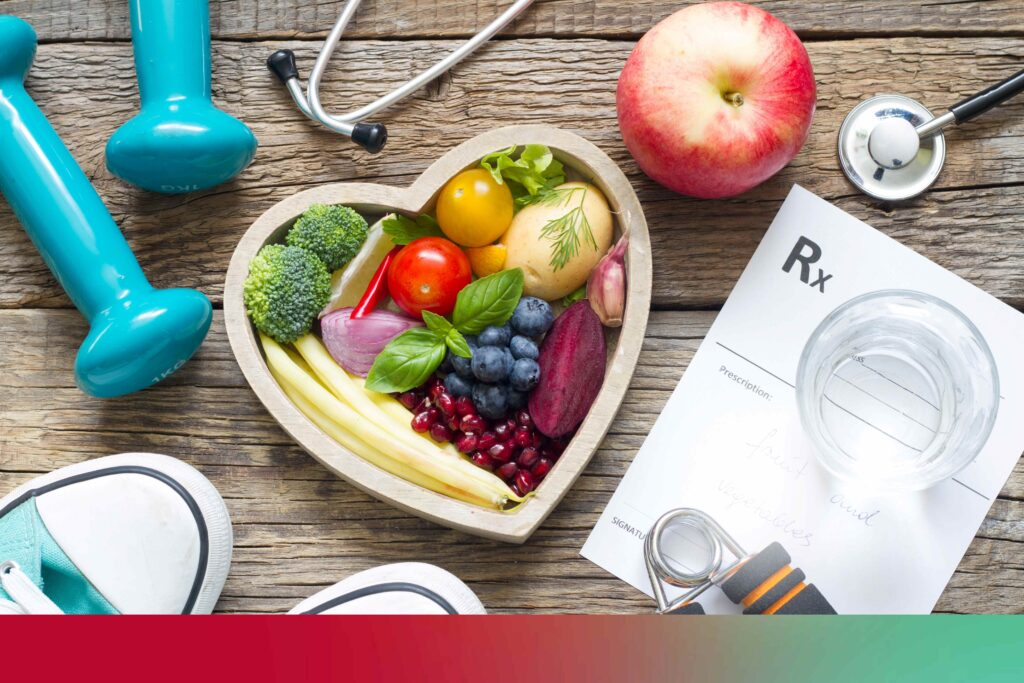
Health in 2026 is holistic. It’s about how you feel physically, mentally, and emotionally. People are now realizing that being healthy doesn’t mean following extreme diets or exhausting workout routines. Instead, it’s about making consistent, realistic choices that improve your quality of life over time.
A healthy person is someone who has energy throughout the day, sleeps well at night, manages stress effectively, and maintains a positive mindset. This shift in perspective has made health more accessible and achievable for everyone.
The Importance of Balanced Nutrition
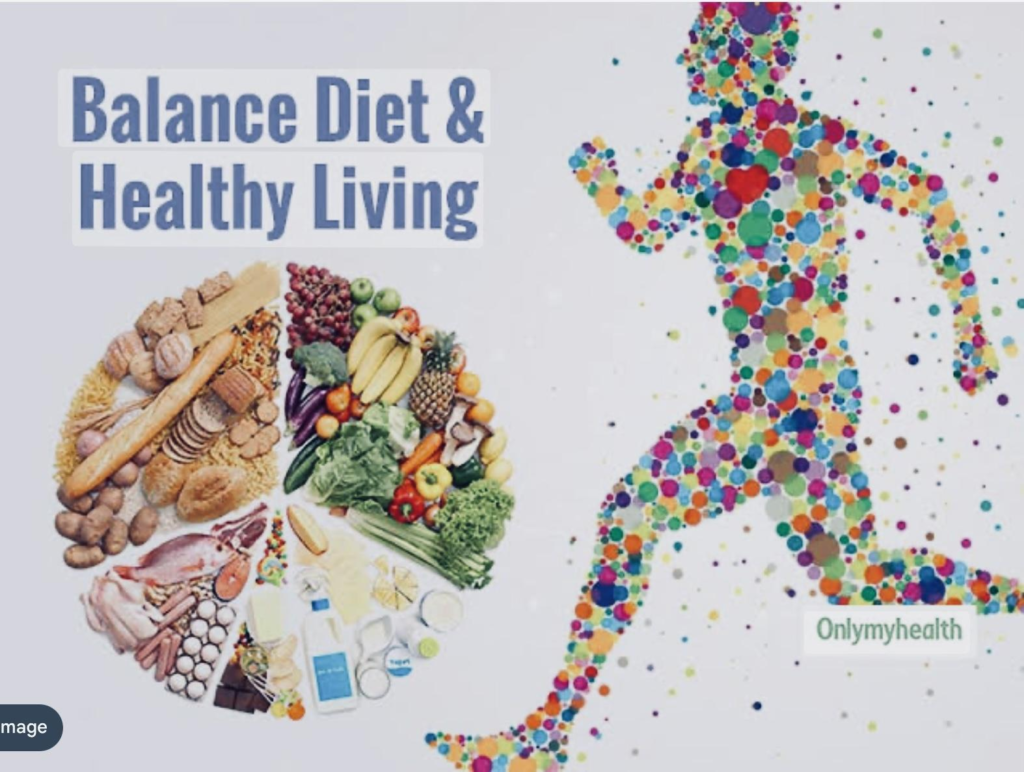
Food plays a major role in shaping your health. In 2026, the focus is not on strict dieting but on balanced nutrition. People are moving away from crash diets and instead embracing whole, natural foods that nourish the body.
A balanced diet includes fresh fruits, vegetables, whole grains, lean proteins, and healthy fats. Hydration is equally important, as drinking enough water helps in digestion, energy levels, and skin health. The key is moderation—enjoying your favorite foods while maintaining a healthy balance.
Mindful eating is also gaining popularity. It involves paying attention to what you eat, how much you eat, and how it makes you feel. This approach helps build a healthier relationship with food.
Staying Active in a Modern World

Physical activity remains a cornerstone of a healthy lifestyle, but the way people approach fitness has changed. In 2026, fitness is no longer limited to gyms. People are finding creative ways to stay active, such as home workouts, yoga, dancing, cycling, and even walking.
The idea is to choose activities you enjoy so that staying active feels less like a chore and more like a part of your daily routine. Even small actions, like taking the stairs or going for a short walk, can make a big difference over time.
Consistency matters more than intensity. Regular movement, even in short durations, helps improve cardiovascular health, strength, and overall well-being.
Mental Health: A Top Priority
One of the most significant changes in recent years is the growing awareness of mental health. In 2026, mental well-being is considered just as important as physical fitness.
Stress, anxiety, and burnout have become common issues due to modern lifestyles. To manage these, people are adopting practices like meditation, mindfulness, journaling, and deep breathing exercises. Taking breaks, spending time in nature, and connecting with loved ones also play a crucial role in maintaining mental health.
Digital detoxing is another important trend. Reducing screen time and limiting social media usage can help improve focus, sleep quality, and emotional balance.
The Role of Quality Sleep

Sleep is often overlooked, yet it is one of the most important aspects of a healthy lifestyle. In 2026, people are becoming more aware of the importance of getting enough rest.
Quality sleep helps the body recover, improves brain function, and boosts mood. Poor sleep, on the other hand, can lead to fatigue, stress, and health issues. Creating a consistent sleep routine, avoiding screens before bedtime, and maintaining a calm environment can significantly improve sleep quality.
Preventive Healthcare and Regular Checkups

Another key aspect of modern health is prevention. Instead of waiting for health problems to arise, people are focusing on preventive care. Regular health checkups, screenings, and vaccinations help detect issues early and reduce risks.
Awareness about lifestyle diseases such as diabetes, heart conditions, and obesity has increased. As a result, individuals are making conscious efforts to adopt healthier habits to prevent these conditions.
Building Healthy Habits That Last
One of the biggest challenges people face is maintaining healthy habits. In 2026, the focus is on sustainability rather than perfection. Instead of following strict routines that are hard to maintain, people are choosing habits that fit into their daily lives.
Simple changes like eating home-cooked meals, staying hydrated, exercising regularly, and taking time for self-care can lead to long-term benefits. The goal is to create a lifestyle that feels natural and enjoyable.
Consistency is the key to success. Small, repeated actions over time lead to significant improvements in health and well-being.
The Influence of Technology on Health
Technology has become an integral part of modern health. Fitness apps, smartwatches, and online wellness platforms help people track their progress, set goals, and stay motivated.
Online workout sessions, virtual consultations with doctors, and health monitoring devices have made healthcare more accessible. However, it is also important to maintain a balance and avoid over-dependence on technology.
Using technology as a tool rather than a distraction can enhance your health journey.
Social Connections and Emotional Well-Being
Human connections play a vital role in maintaining a healthy lifestyle. Spending time with family and friends, sharing experiences, and building meaningful relationships contribute to emotional well-being.
In 2026, people are recognizing the importance of community and support systems. Talking to someone, seeking advice, or simply enjoying quality time with loved ones can have a positive impact on mental health.
Creating a Personalized Health Journey
There is no one-size-fits-all approach to health. What works for one person may not work for another. In 2026, personalized health plans are becoming more popular.
People are choosing diets, fitness routines, and wellness practices that suit their individual needs, preferences, and lifestyles. Listening to your body and understanding what makes you feel good is essential.
This personalized approach makes it easier to stay consistent and achieve long-term results.
Conclusion
The ultimate guide to a healthy lifestyle in 2026 is about balance, awareness, and consistency. It’s not about perfection or following strict rules, but about making mindful choices that improve your overall well-being.
By focusing on balanced nutrition, regular physical activity, mental health, quality sleep, and meaningful relationships, you can create a lifestyle that supports both your body and mind. With the help of technology and a personalized approach, maintaining good health has become more achievable than ever.
In the end, a healthy lifestyle is not a destination but a journey—one that evolves with you and helps you live a happier, more fulfilling life.
FAQs
1. What is the most important part of a healthy lifestyle?
The most important part is balance. Maintaining a combination of good nutrition, physical activity, mental well-being, and proper sleep is essential for overall health.
2. How can I stay consistent with healthy habits?
Start with small, achievable goals and build them gradually. Consistency comes from making habits simple and enjoyable rather than overwhelming.
3. How much exercise is needed daily?
Even 20–30 minutes of moderate activity like walking, yoga, or light workouts can make a significant difference if done regularly.
4. Can I stay healthy without going to the gym?
Yes, you can stay healthy through home workouts, outdoor activities, and daily movement. The key is to stay active in any way that suits you.
5. Why is mental health important in daily life?
Mental health affects how you think, feel, and act. A healthy mind helps you handle stress better, make decisions, and maintain positive relationships.