

Life is a journey filled with opportunities to learn, grow, and evolve. One of the most powerful tools for personal growth is experiencing something new. New experiences push us out of our comfort zones, challenge our beliefs, and open our minds to possibilities we might never have imagined. Whether it’s traveling to a new country, learning a new skill, meeting different people, or taking on an unexpected challenge, each experience has the potential to shape our mindset and transform our perspective on life.
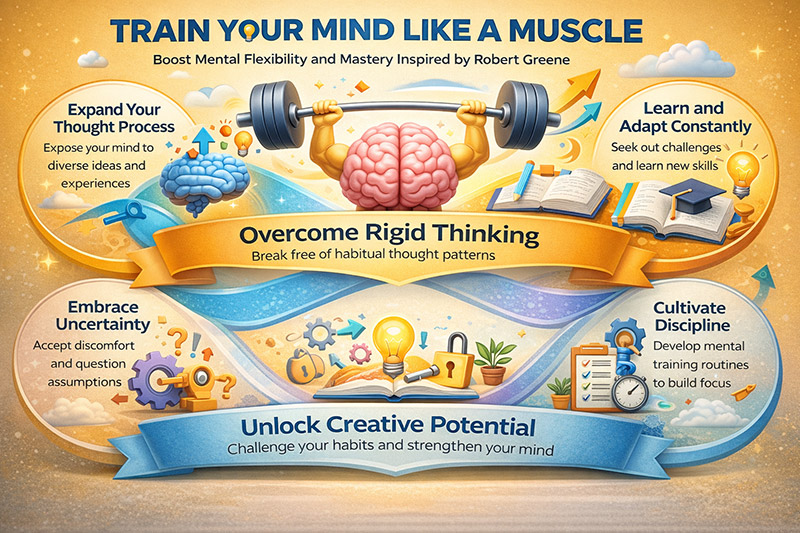
Stepping Out of Your Comfort Zone
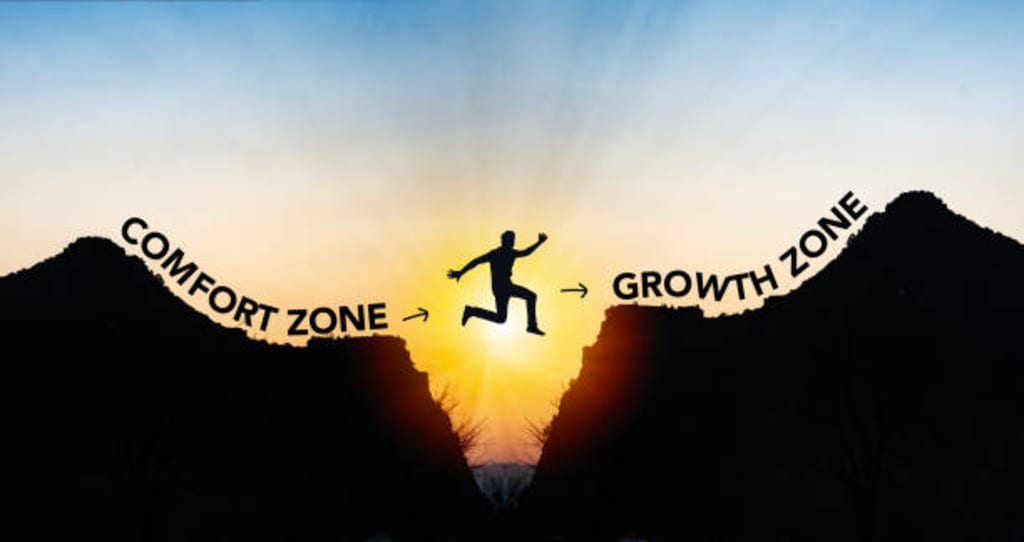
The human brain naturally seeks comfort and familiarity. We often stick to routines, people, and places that feel safe because it requires less effort and reduces uncertainty. However, growth rarely happens in comfort zones. New experiences force us to navigate unfamiliar situations, confront fears, and adapt to change.
When you step outside your comfort zone, you gain confidence in your ability to handle challenges. Each new experience becomes evidence that you are capable of more than you thought. Over time, this builds resilience, flexibility, and a growth-oriented mindset—qualities that are invaluable in both personal and professional life.
Broadening Perspectives

Experiencing something new often introduces us to ideas, cultures, and viewpoints that differ from our own. Traveling to a different country, for example, allows you to see how people live, work, and communicate in ways that may be very different from your own environment. Similarly, learning a new skill or joining a group with diverse members exposes you to unique perspectives.
Exposure to different viewpoints challenges preconceived notions and biases, encouraging critical thinking. It fosters empathy, understanding, and open-mindedness. Over time, this broadens your perspective, helping you approach situations with more creativity and less judgment.
Learning Through Mistakes
New experiences often come with uncertainty, and uncertainty sometimes leads to mistakes. While mistakes may feel uncomfortable in the moment, they are powerful teachers. Each failure provides insights into what works and what doesn’t, helping you refine your approach and improve your decision-making skills.
Experiencing failure also builds emotional resilience. You learn to handle setbacks, adapt strategies, and continue moving forward with confidence. This shift from fearing mistakes to seeing them as opportunities for growth is a key mindset transformation.
Building Emotional Intelligence
When you engage in new experiences, you often encounter situations that evoke strong emotions—excitement, fear, joy, frustration, or even sadness. These emotions provide opportunities to understand yourself better and recognize how you respond to challenges.
By reflecting on these experiences, you develop greater emotional intelligence. You learn to manage your reactions, empathize with others, and communicate more effectively. Emotional intelligence is a vital component of a growth mindset and plays a significant role in personal and professional success.
Enhancing Problem-Solving Skills
New experiences often require creative thinking and problem-solving. Whether it’s navigating a new city, learning a complex skill, or handling unexpected circumstances at work, unfamiliar situations push you to find solutions you might not have considered before.
Repeated exposure to challenges enhances your cognitive flexibility, enabling you to think outside the box and approach problems from multiple angles. This mindset carries over into everyday life, making you more adaptable and resourceful.
Boosting Confidence and Self-Efficacy
Every new experience you tackle successfully contributes to your sense of self-efficacy—the belief in your ability to achieve goals and handle challenges. Confidence grows when you prove to yourself that you can adapt, learn, and thrive in unfamiliar situations.
This newfound confidence encourages you to seek out more experiences, creating a positive cycle of growth and mindset transformation. You start believing that challenges are opportunities rather than obstacles, which shifts your approach to life entirely.
The Role of Reflection
Experiencing something new is only part of the transformation process. Reflection is equally important. Taking time to think about what you learned, how you felt, and how you can apply these lessons in other areas of life solidifies growth.
Journaling, discussions with mentors or friends, and mindfulness practices can help you extract valuable insights from your experiences. Reflection allows you to internalize lessons and integrate them into your mindset, making growth more intentional and lasting.
Embracing a Lifelong Learning Mindset
New experiences cultivate curiosity and a love for learning. When you actively seek out opportunities to grow, you develop a mindset that embraces continuous learning rather than fearing change.
This mindset transforms the way you approach life. Instead of avoiding challenges, you look for them as chances to expand your skills and knowledge. You become more adaptable, innovative, and prepared for whatever life throws your way.
Overcoming Fear and Limiting Beliefs
Fear and limiting beliefs often hold people back from pursuing new experiences. You may think, “I’m not good enough,” or “This is too difficult for me.” Taking the leap despite these fears challenges the stories we tell ourselves and replaces them with empowering beliefs.
Every experience that pushes you beyond perceived limits weakens the power of fear and strengthens your belief in your capabilities. This transformation fundamentally changes your mindset, helping you approach life with courage and optimism.
Real-Life Applications
- Traveling: Exploring new cultures teaches adaptability, empathy, and problem-solving.
- Learning a New Skill: Mastering a skill builds confidence and cognitive flexibility.
- Meeting New People: Expands social awareness and emotional intelligence.
- Facing Challenges: Overcoming obstacles strengthens resilience and perseverance.
- Volunteering: Experiencing different perspectives enhances gratitude and empathy.
Each of these experiences contributes to reshaping your thoughts, habits, and reactions, resulting in a mindset that is more open, resilient, and growth-focused.
Conclusion
New experiences are catalysts for transformation. They push us beyond our comfort zones, expand our perspectives, and teach invaluable lessons about life and ourselves. By embracing uncertainty, reflecting on experiences, and seeking continuous growth, we can cultivate a mindset that is adaptable, confident, and resilient.
In the end, it’s not just the experiences themselves, but how we engage with them, reflect on them, and apply their lessons that truly transform our mindset. Life becomes richer, more meaningful, and full of potential when we welcome new experiences with curiosity and courage.
FAQs
1. Why are new experiences important for personal growth?
New experiences challenge our comfort zones, teach valuable lessons, and help us develop resilience, creativity, and confidence.
2. How can trying something new change my perspective?
Exposure to new people, cultures, and ideas broadens your mindset, encourages empathy, and reduces biases, helping you see the world differently.
3. What if I’m afraid to try new experiences?
Fear is natural. Start small, take manageable steps, and focus on what you can learn. Each step builds confidence and reduces fear over time.
4. How can reflection enhance the benefits of new experiences?
Reflecting allows you to extract lessons, understand your emotions, and apply insights to other areas of life, making growth intentional and lasting.
5. Can new experiences improve mental health?
Yes. Engaging in novel activities can reduce stress, increase joy, improve emotional intelligence, and create a sense of accomplishment, positively impacting mental health.