

Living a healthy life is not about strict diets, exhausting workout routines, or giving up everything you enjoy. It is about balance, awareness, and making small, meaningful choices every day that support your overall well-being. In today’s fast-paced world, where stress, unhealthy eating habits, and sedentary lifestyles have become common, focusing on wellness is more important than ever. A healthy lifestyle not only improves your physical health but also enhances your mental clarity, emotional stability, and overall happiness.
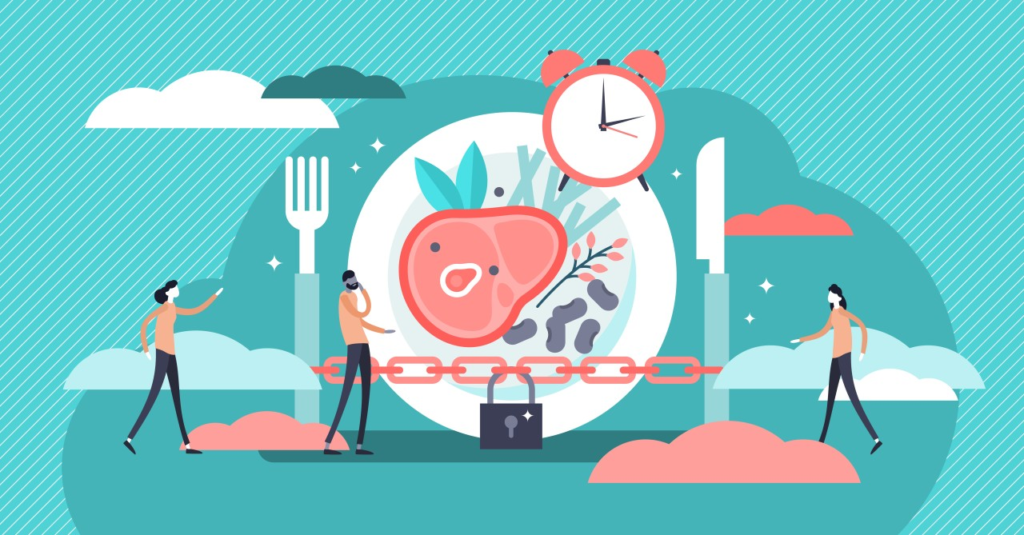
Understanding the True Meaning of Healthy Living
Healthy living goes far beyond just eating fruits and vegetables or going to the gym. It is a holistic approach that includes caring for your body, mind, and soul. True wellness means feeling energetic, staying mentally strong, maintaining emotional balance, and living with a positive outlook. When you begin to see health as a lifestyle rather than a temporary goal, it becomes easier to adopt habits that last a lifetime.
Many people think they need to make drastic changes to become healthy, but the truth is that small, consistent steps lead to long-term results. Choosing to drink more water, getting enough sleep, taking time to relax, and being mindful of your thoughts are all part of a healthy life. It is not about perfection; it is about progress.
The Role of Nutrition in a Healthy Life

Food is the foundation of your health. What you eat directly affects how you feel, think, and function. A balanced diet provides your body with essential nutrients, vitamins, and energy needed for daily activities. Instead of following extreme diets, it is better to focus on eating a variety of natural and wholesome foods.
Incorporating fresh fruits, vegetables, whole grains, lean proteins, and healthy fats into your meals can make a significant difference. Reducing processed foods, sugary drinks, and excessive junk food helps prevent health issues and keeps your body functioning optimally. Eating mindfully, which means paying attention to what and how you eat, can also improve digestion and prevent overeating.
Healthy eating is not about restriction; it is about nourishment. When you start seeing food as fuel rather than just taste, your relationship with it becomes healthier and more balanced.
The Importance of Physical Activity

Movement is an essential part of a healthy lifestyle. Regular physical activity helps maintain a healthy weight, improves heart health, strengthens muscles, and boosts mood. You do not need to spend hours in the gym to stay fit. Simple activities like walking, cycling, dancing, or yoga can be equally effective if done consistently.
Exercise also plays a vital role in reducing stress and anxiety. When you move your body, it releases endorphins, also known as “feel-good” hormones, which help improve your mood. Even a short daily workout can make you feel more energized and positive.
The key is to find activities you enjoy so that staying active does not feel like a burden. When fitness becomes a part of your routine rather than a task, it becomes easier to stay committed.
Strengthens Immunity
Engaging in regular physical activity helps strengthen your immune system. It improves the body’s ability to fight infections and illnesses by promoting healthy circulation and reducing inflammation. A strong immune system means fewer sick days and better overall health.
- Enhances Physical Health
- Boosts Mental Well-Being
- Increases Energy Levels
Even moderate activities like brisk walking or cycling can contribute to improved immunity when done consistently.
Mental Health: The Silent Pillar of Wellness
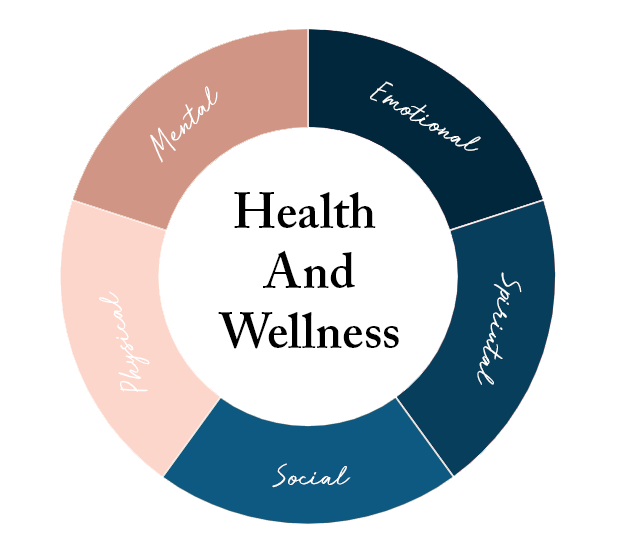
While physical health often gets more attention, mental health is equally important. Your thoughts, emotions, and mindset have a powerful impact on your overall well-being. Stress, anxiety, and negative thinking can affect not only your mind but also your body.
Taking care of your mental health involves practicing self-awareness, managing stress, and creating a positive environment around you. Simple practices like meditation, deep breathing, journaling, or spending time in nature can help calm your mind and improve focus.
It is also important to talk about your feelings and seek support when needed. Sharing your thoughts with a trusted friend or family member can lighten emotional burdens and bring clarity. Remember, taking care of your mind is not a luxury; it is a necessity.
The Power of Quality Sleep

Sleep is often overlooked, yet it is one of the most important aspects of a healthy life. Your body needs rest to repair, recover, and function properly. Lack of sleep can lead to fatigue, reduced concentration, mood swings, and even long-term health problems.
Creating a consistent sleep routine can greatly improve your overall health. Going to bed and waking up at the same time every day helps regulate your body clock. Avoiding screens before bedtime, creating a comfortable sleep environment, and relaxing your mind can also improve sleep quality.
When you are well-rested, you feel more energetic, focused, and ready to take on the day. Good sleep is not just about quantity but also quality.
Building Healthy Habits for Long-Term Success

Healthy living is not about temporary changes; it is about building habits that last. Habits are formed through repetition and consistency. Instead of trying to change everything at once, start with one or two small changes and gradually build on them.
For example, you can start by drinking more water daily or taking a 20-minute walk. Once these habits become part of your routine, you can add more positive changes. Over time, these small steps create a big impact on your health and lifestyle.
Staying consistent is more important than being perfect. There will be days when you feel less motivated, and that is completely normal. What matters is getting back on track and continuing your journey.
The Connection Between Happiness and Health
Happiness and health are deeply connected. When you feel good physically, it positively affects your mood, and when you are happy, it supports your overall health. Living a healthy life does not mean giving up everything you enjoy; it means finding balance.
Doing things that make you happy, such as spending time with loved ones, pursuing hobbies, or simply taking time for yourself, is essential for your well-being. Gratitude is another powerful tool that can improve your happiness. Appreciating what you have instead of focusing on what you lack creates a positive mindset.
A happy life is not about having everything; it is about enjoying what you have and taking care of yourself.
Managing Stress in Everyday Life
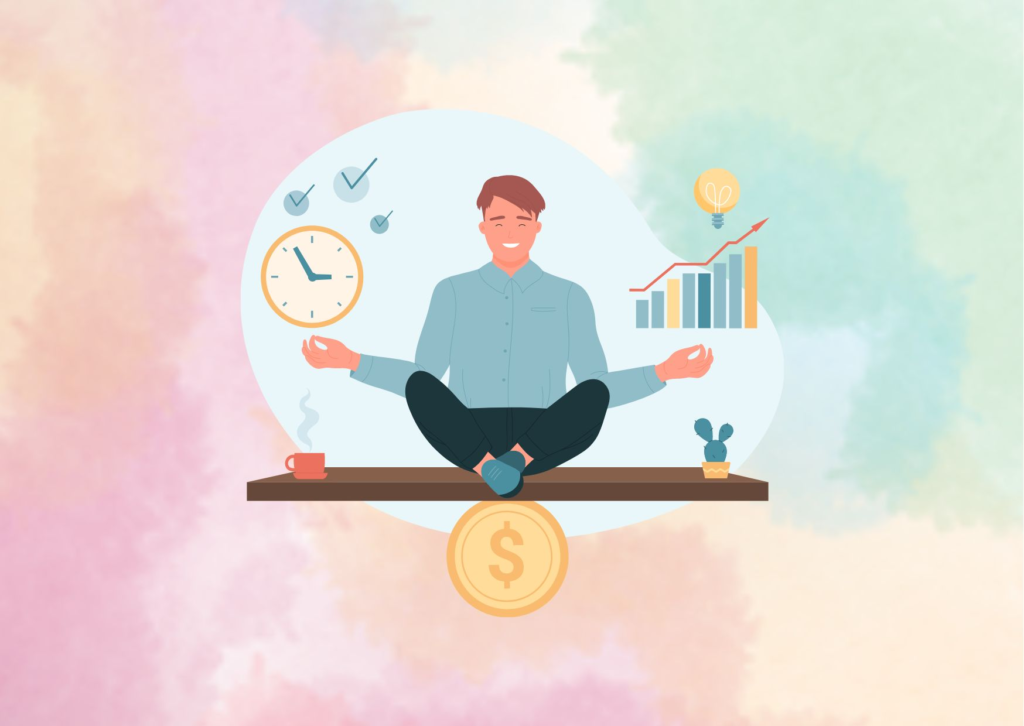
Stress has become a common part of modern life, but managing it effectively is crucial for maintaining health. Chronic stress can lead to various health issues, including headaches, digestive problems, and weakened immunity.
Finding healthy ways to cope with stress is important. Activities like yoga, meditation, listening to music, or even taking a short break can help reduce stress levels. Time management and setting realistic goals can also prevent unnecessary pressure.
Learning to say no and prioritizing your well-being is a key part of stress management. When you take control of your time and energy, you create space for a healthier and more balanced life.
Creating a Balanced Lifestyle
Balance is the key to sustainable health. A balanced lifestyle means giving equal importance to work, rest, relationships, and self-care. Overworking or neglecting your personal life can lead to burnout and affect your health.
Setting boundaries, taking breaks, and making time for relaxation are essential for maintaining balance. It is important to listen to your body and understand its needs. When you feel tired, rest. When you feel stressed, take a step back.
A balanced life is not about doing everything perfectly; it is about finding harmony in different aspects of your life.
Embracing a Positive Mindset
Your mindset plays a powerful role in shaping your health and happiness. A positive attitude can help you overcome challenges, stay motivated, and maintain a healthy lifestyle. Negative thinking, on the other hand, can hold you back and affect your well-being.
Practicing positivity does not mean ignoring problems; it means facing them with a constructive approach. Surrounding yourself with positive people, focusing on solutions, and believing in yourself can make a big difference.
When you change the way you think, you change the way you live.
FAQs
1. What is the most important step to start a healthy lifestyle?
The most important step is to start small and stay consistent. You do not need to change everything at once. Begin with simple habits like drinking more water, eating healthier meals, or adding daily physical activity. Consistency matters more than perfection.
2. How can I stay motivated to maintain a healthy routine?
Staying motivated comes from setting realistic goals and reminding yourself why you started. Tracking your progress, celebrating small achievements, and surrounding yourself with supportive people can help maintain motivation over time.
3. How many hours of sleep are necessary for good health?
Most adults need around 7 to 9 hours of quality sleep each night. Proper sleep helps your body recover, improves brain function, and supports overall well-being.
4. Can mental health affect physical health?
Yes, mental health has a strong impact on physical health. Stress, anxiety, and negative emotions can lead to physical issues like fatigue, headaches, and weakened immunity. Taking care of your mental health is essential for overall wellness.
5. Is it necessary to follow a strict diet for healthy living?
No, healthy living does not require a strict diet. It is about balanced and mindful eating. Focus on nourishing your body with healthy foods while still enjoying your favorite treats in moderation.
Healthy living is a journey, not a destination. It is about making better choices each day and creating a lifestyle that supports your well-being. When you take care of your body, mind, and emotions, you naturally move towards a happier and more fulfilling life.