

In today’s fast-paced world, maintaining a healthy lifestyle often feels like a challenge. Busy schedules, stress, and unhealthy habits can slowly take a toll on both physical and mental well-being. However, living a healthier and happier life doesn’t require drastic changes. Small, consistent habits can make a big difference over time.
A healthy lifestyle is not just about eating right or exercising occasionally—it’s about creating a balanced routine that nurtures your body, mind, and emotions.

Understanding a Healthy Lifestyle
A healthy lifestyle involves making choices that improve your overall well-being. It includes proper nutrition, regular physical activity, mental wellness, quality sleep, and positive social connections. When these elements work together, they help you feel more energetic, focused, and content in your daily life.
Rather than aiming for perfection, the goal should be progress. Even small improvements in daily habits can lead to long-term benefits.

Start Your Day with a Healthy Routine
How you begin your day sets the tone for everything that follows. Waking up early and giving yourself time to prepare mentally and physically can boost productivity and reduce stress.
Drinking a glass of water in the morning helps rehydrate your body after hours of sleep. Light stretching or a short walk can activate your muscles and improve circulation. Many people also find that practicing mindfulness or meditation in the morning helps them stay calm and focused throughout the day.
A healthy breakfast is equally important. It fuels your body and provides the energy needed to start your day strong.
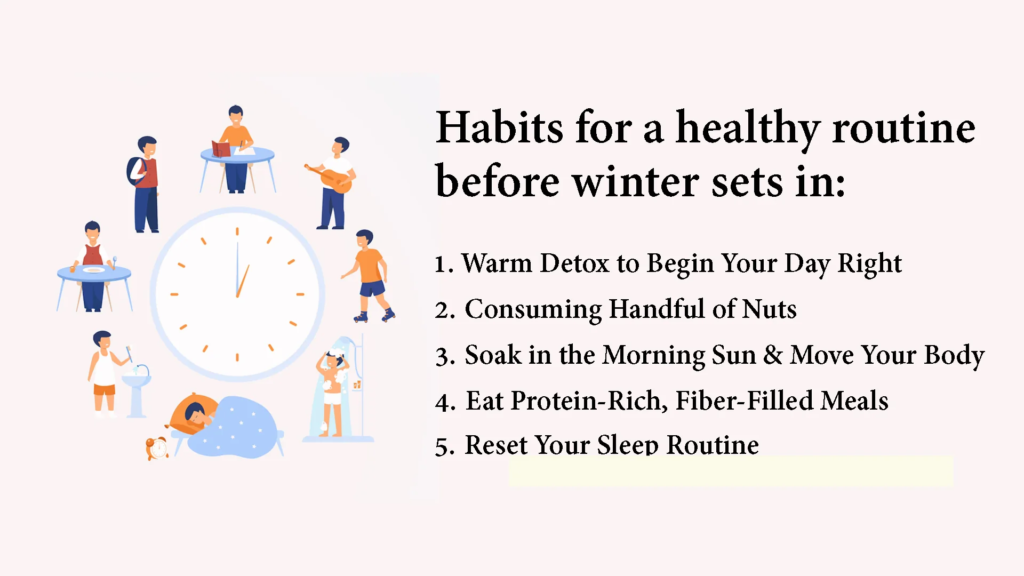
Maintain a Balanced Diet
Food plays a crucial role in maintaining overall health. A balanced diet provides essential nutrients that your body needs to function properly.
Incorporating fresh fruits, vegetables, whole grains, and proteins into your meals helps improve digestion, boost immunity, and maintain energy levels. Avoiding excessive consumption of processed foods, sugar, and unhealthy fats can reduce the risk of various health issues.
It’s also important to eat mindfully. Paying attention to portion sizes and eating slowly can prevent overeating and improve digestion.
Stay Physically Active
Regular physical activity is one of the most important habits for a healthy lifestyle. Exercise not only strengthens your body but also improves mental health by reducing stress and anxiety.
You don’t need a gym membership to stay active. Simple activities like walking, jogging, cycling, or home workouts can be very effective. The key is consistency. Even 20–30 minutes of daily exercise can bring noticeable improvements in your health.
Physical activity also releases endorphins, which are known as “feel-good” hormones. These help boost your mood and promote a sense of happiness.
Prioritize Mental Health
Mental health is just as important as physical health, yet it is often overlooked. Stress, anxiety, and negative thinking can affect your overall well-being if not managed properly.
Taking time to relax and unwind is essential. Activities like reading, listening to music, journaling, or spending time in nature can help calm your mind. Practicing gratitude and focusing on positive aspects of life can also improve emotional health.
If needed, talking to a friend, family member, or professional can provide support and help you cope with challenges more effectively.
Get Quality Sleep
Sleep is often underestimated, but it plays a vital role in maintaining good health. Poor sleep can affect your mood, concentration, and immune system.
Aim for 7–8 hours of quality sleep each night. Creating a consistent sleep schedule, avoiding screens before bedtime, and maintaining a comfortable sleeping environment can improve sleep quality.
Good sleep helps your body repair itself and prepares you for the next day with better energy and focus.
Stay Hydrated
Water is essential for nearly every function in the body. Staying hydrated helps maintain body temperature, supports digestion, and improves skin health.
Many people underestimate the importance of drinking enough water throughout the day. Carrying a water bottle and setting reminders can help build this habit. Herbal teas and water-rich foods like fruits and vegetables can also contribute to hydration.
Build Healthy Relationships
Human connections play a significant role in emotional well-being. Spending time with family and friends can provide support, reduce stress, and increase happiness.
Healthy relationships are built on trust, communication, and mutual respect. Surrounding yourself with positive and supportive people can have a powerful impact on your mindset and overall life satisfaction.
At the same time, it’s important to set boundaries and avoid relationships that bring negativity into your life.
Limit Screen Time
In the digital age, excessive screen time has become a common issue. Spending too much time on phones, computers, or televisions can affect both physical and mental health.
Reducing screen time, especially before bedtime, can improve sleep quality and reduce eye strain. Taking regular breaks and engaging in offline activities like reading or outdoor play can help maintain balance.
Practice Consistency, Not Perfection
One of the biggest mistakes people make is trying to change everything at once. This often leads to burnout and frustration.
Instead, focus on building one habit at a time. Consistency is more important than perfection. Small, sustainable changes can lead to lasting results. Over time, these habits become a natural part of your lifestyle.
Conclusion
Living a healthy and happier life is not about making extreme changes—it’s about making better choices every day. By focusing on balanced nutrition, regular exercise, mental well-being, and quality rest, you can create a lifestyle that supports long-term health and happiness.
Remember, every small step counts. Start today, stay consistent, and gradually build habits that will benefit you for a lifetime.
Frequently Asked Questions (FAQs)
1. What is the most important habit for a healthy lifestyle?
There is no single most important habit, but maintaining a balance between diet, exercise, and mental health is key.
2. How can I start living a healthy lifestyle?
Start with small changes like drinking more water, eating healthier foods, and adding short daily walks to your routine.
3. How much exercise is needed daily?
Around 20–30 minutes of moderate physical activity is enough to maintain good health.
4. Why is sleep important for health?
Sleep helps your body recover, improves brain function, and boosts overall well-being.
5. Can mental health affect physical health?
Yes, poor mental health can lead to physical issues like fatigue, headaches, and weakened immunity.
If you want, I can also optimize this blog for SEO (with keywords, meta description, and tags) or create a featured image for it.