

The fashion industry in India is deeply intertwined with tradition, culture, and evolving modern aesthetics. Among the most iconic garments is the lehenga, a symbol of elegance, celebration, and heritage. Launching a lehenga business combines the richness of tradition with the dynamism of contemporary trends, offering a lucrative opportunity for entrepreneurs who understand design, quality, and customer experience. This guide will take you through everything you need to know to start, grow, and succeed in the lehenga business.
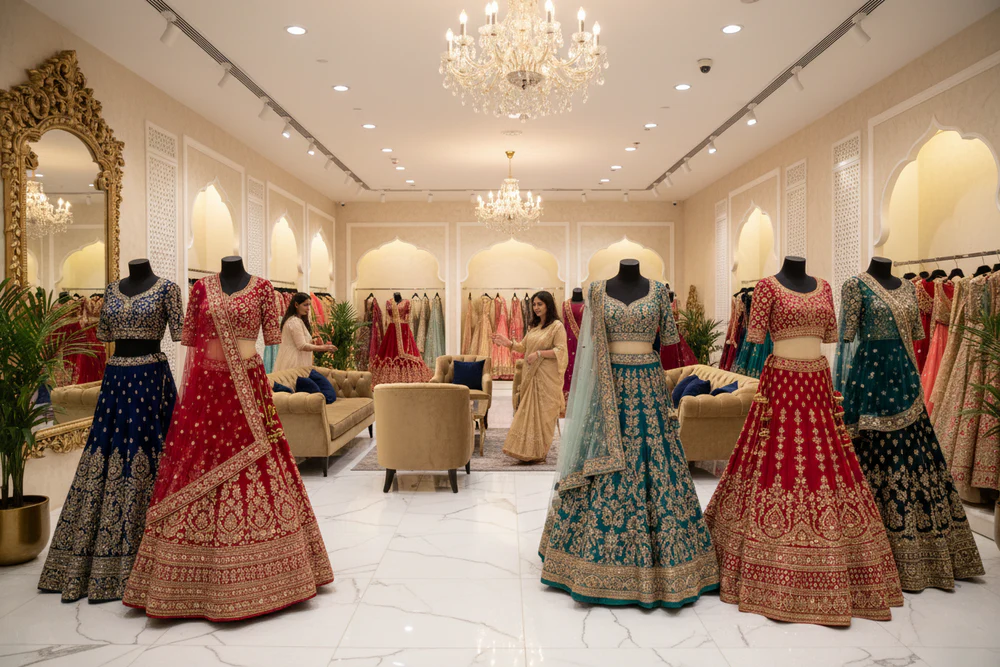
Understanding the Lehenga Market
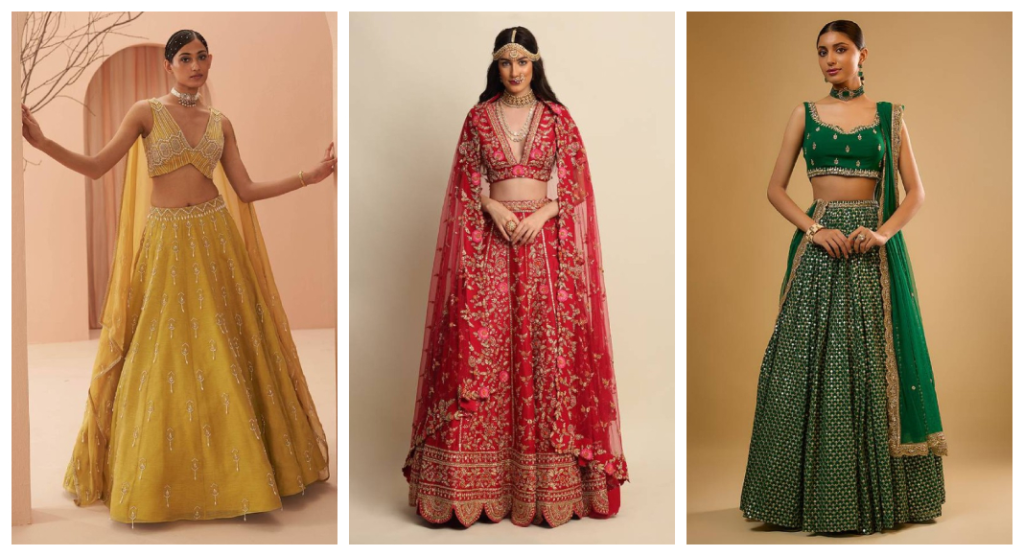
The first step in launching a successful lehenga business is understanding the market landscape. Lehengas are primarily worn for weddings, festivals, and special occasions. The demand is driven by cultural celebrations, bridal seasons, and evolving fashion trends. Today’s customers seek a mix of traditional designs and modern aesthetics, blending intricate embroidery with contemporary cuts and color palettes.
Targeting the right audience is crucial. Bridal lehengas often cater to premium segments, while casual festive wear can attract mid-range buyers. Market research can help identify which segment is underserved in your area, whether it’s designer pieces, budget-friendly options, or customized couture.
Crafting Your Brand Identity

Your brand identity differentiates your lehenga business from countless others. A memorable brand connects with customers emotionally and reflects your unique style. Consider these elements while defining your brand:
- Design Philosophy: Are your lehengas traditional, modern, or fusion? Do you specialize in hand-embroidered craftsmanship or machine-made convenience?
- Brand Aesthetics: Logo, packaging, store ambiance, and online presence should resonate with your target audience.
- Customer Experience: Exceptional service, customization options, and styling advice can make your brand memorable and trustworthy.
Investing time in building a strong brand identity ensures that your business is recognized for quality, uniqueness, and reliability.
Sourcing Materials and Artisans
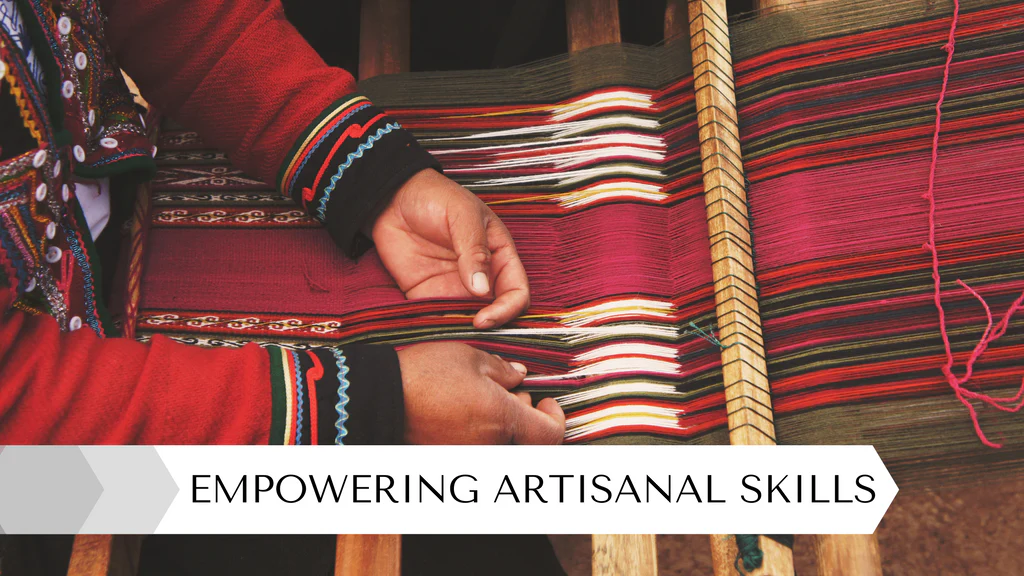
High-quality lehengas require premium fabrics, embroidery, and craftsmanship. Sourcing the right materials is the backbone of your business. Popular fabrics include silk, georgette, net, and velvet, while embellishments can range from sequins to zari, beads, or mirror work.
Working with skilled artisans is equally important. Many traditional embroidery techniques, such as zardozi, gota patti, and chikankari, demand expert hands. Building a network of reliable suppliers and craftsmen ensures consistent quality and timely production.
Designing Your Collection
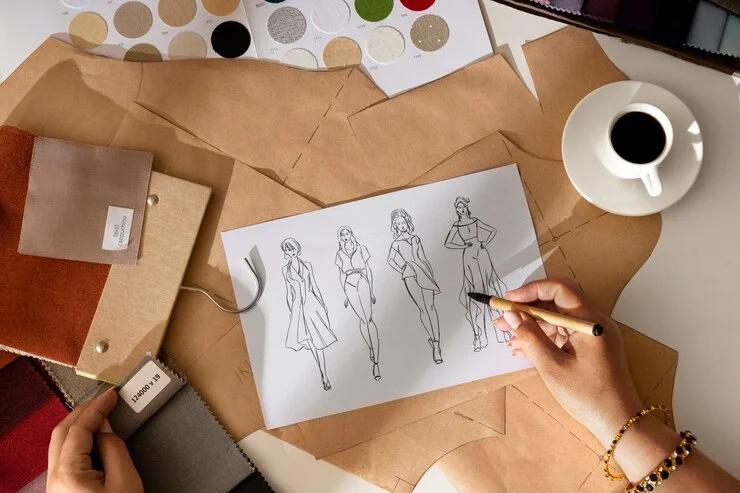
A strong collection sets your business apart. When designing lehengas, balance traditional appeal with modern sensibilities. Keep these considerations in mind:
- Color Trends: Pastels, jewel tones, and metallics often dominate wedding and festive seasons. Monitor fashion trends to anticipate popular colors.
- Silhouette Variety: Offer diverse cuts, such as A-line, mermaid, circular, and flared lehengas, to cater to different body types and style preferences.
- Customization: Many clients seek personalized designs. Offering custom embroidery, color matching, or size adjustments can significantly enhance customer satisfaction.
Invest in a mix of ready-to-wear and bespoke collections to appeal to a broader audience.
Setting Up Your Store
Decide whether you want a physical store, an online store, or a combination of both. Each has its advantages:
- Physical Store: Allows clients to feel the fabric, try sizes, and experience personalized service. Location is key—high footfall areas or wedding districts can attract more customers.
- Online Store: Expands your reach beyond your city. Ensure professional photography, detailed product descriptions, and secure payment options to create trust.
- Hybrid Approach: Combining both gives flexibility and broader market coverage.
Your store layout and design should reflect your brand. Elegant interiors, organized displays, and a comfortable shopping experience create a lasting impression.
Marketing and Promotion
Marketing your lehenga business effectively can dramatically boost your sales. Use a combination of traditional and digital strategies:
- Social Media: Platforms like Instagram, Pinterest, and Facebook are ideal for showcasing your designs and reaching fashion enthusiasts. Regular posts, reels, and collaborations with influencers can drive visibility.
- Fashion Shows and Exhibitions: Participate in bridal expos or cultural events to display your collection and connect with potential customers.
- Word of Mouth: Bridal lehengas often rely on recommendations. Offering exceptional service encourages satisfied clients to refer others.
- Content Marketing: Blogging about wedding trends, styling tips, or fabric care builds credibility and attracts organic traffic to your online store.
Consistency in marketing and engagement is key. Customers must recognize your brand and associate it with quality, style, and trustworthiness.
Pricing and Financial Planning
Pricing your lehengas requires a careful balance between quality, market demand, and profit margins. Consider the following:
- Material and Labor Costs: Calculate the cost of fabric, embellishments, embroidery, and craftsmanship.
- Operational Expenses: Include rent, salaries, utilities, marketing, and logistics.
- Market Positioning: High-end couture can command premium prices, while ready-to-wear pieces should remain affordable yet profitable.
- Discounts and Offers: Seasonal discounts, festival promotions, or referral bonuses can attract buyers but must not compromise your profitability.
A detailed financial plan helps you anticipate costs, set realistic pricing, and maintain sustainable growth.
Customer Service and Retention
Excellent customer service sets successful lehenga businesses apart. From first inquiry to post-purchase support, every interaction shapes your reputation. Offer:
- Personalized styling advice.
- Timely delivery and tracking for online orders.
- Easy alterations or customization.
- Responsive communication via calls, messages, or social media.
Retaining customers is more cost-effective than constantly acquiring new ones. Happy clients become brand advocates and repeat buyers, especially in wedding-related segments.
Scaling Your Lehenga Business
Once your business stabilizes, consider growth strategies:
- Expanding your product line to include sarees, gowns, or accessories.
- Partnering with wedding planners or boutiques for bulk orders.
- Exploring export opportunities for international customers seeking ethnic wear.
- Investing in technology for inventory management, online customization tools, and seamless e-commerce experience.
Strategic growth ensures long-term sustainability while keeping your brand relevant in a competitive market.
FAQs
1. How much investment is needed to start a lehenga business?
The investment depends on the scale, product quality, and store type. A small online venture can start with minimal capital, while a boutique store with premium collections may require a higher investment.
2. Should I focus on traditional or modern lehengas?
It’s ideal to offer a mix. Traditional designs attract customers seeking cultural authenticity, while modern styles appeal to younger audiences looking for trendy outfits.
3. How can I source reliable artisans for embroidery?
Build relationships with local craft clusters, attend textile fairs, and ask for referrals. Establishing trust and fair compensation ensures quality work and long-term collaboration.
4. Is online marketing effective for lehenga sales?
Yes. Social media platforms, influencer collaborations, and online marketplaces can reach a wide audience. High-quality visuals and detailed descriptions help build customer trust.
5. How do I handle customization requests?
Create a structured process: collect client preferences, provide sketches or fabric samples, set timelines, and confirm final designs before production. Clear communication is key to client satisfaction.
If you want, I can also create a visually appealing infographic or marketing content specifically for this lehenga business blog to make it more shareable online.
Do you want me to do that next?