

Introduction
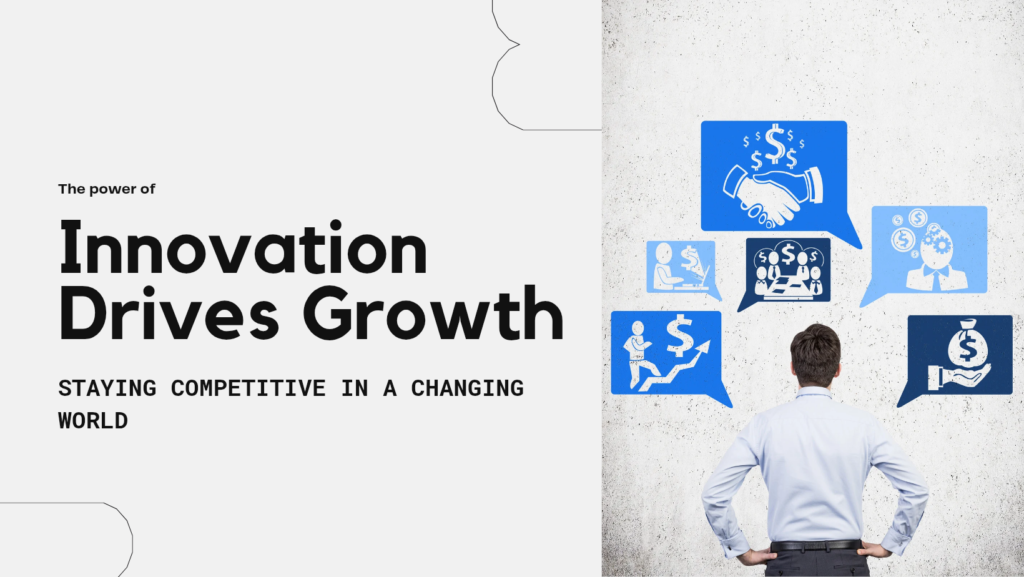
Innovation has become the backbone of progress in today’s fast-paced world. It is no longer limited to laboratories or tech companies; instead, it has expanded into every aspect of life, from business and education to healthcare and daily living. In the modern world, innovation is not just about creating something new—it is about improving what already exists and finding better ways to solve problems.
As industries evolve and global competition intensifies, innovation plays a crucial role in driving change and fostering sustainable growth. It empowers individuals and organizations to stay relevant, adapt to changing environments, and unlock new opportunities for success.
Understanding Innovation in Today’s Context
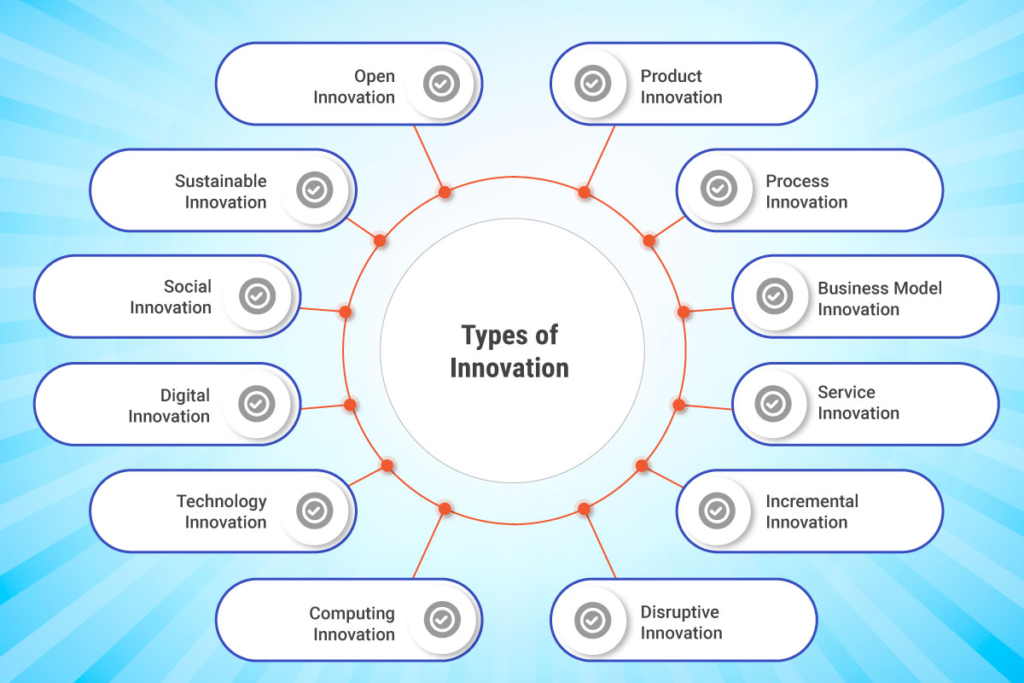
Innovation in the modern world goes beyond inventions. It includes creative thinking, strategic improvements, and the ability to adapt to new challenges. Whether it is developing advanced technologies, improving customer experiences, or creating efficient systems, innovation is all about adding value.
Today, innovation is driven by rapid technological advancements, digital transformation, and a growing need for sustainability. Businesses are constantly looking for ways to innovate to meet customer expectations and stay ahead in competitive markets.
The Role of Technology in Driving Innovation
Technology is one of the most significant drivers of innovation in the modern world. From artificial intelligence to cloud computing, technological advancements have revolutionized how we live and work.
Digital tools have made it easier for businesses to analyze data, understand customer behavior, and make informed decisions. Automation has increased efficiency, while connectivity has enabled global collaboration like never before.
Innovation powered by technology has also transformed industries such as healthcare, where advanced medical equipment and telemedicine have improved patient care, and education, where online learning platforms have made knowledge more accessible.
Innovation in Business Growth
In today’s competitive landscape, businesses cannot survive without innovation. It helps companies differentiate themselves, improve their products and services, and create better customer experiences.
Organizations that embrace innovation are more likely to adapt to market changes and overcome challenges. They invest in research and development, encourage creative thinking among employees, and adopt new technologies to stay ahead.
Startups, in particular, thrive on innovation. They disrupt traditional industries by introducing unique solutions and redefining how things are done. Large corporations are also increasingly focusing on innovation to maintain their market position and drive long-term growth.
The Impact of Innovation on Society
Innovation has a profound impact on society. It improves quality of life, creates job opportunities, and addresses global challenges. From renewable energy solutions to advancements in healthcare, innovation is helping build a more sustainable and inclusive world.
For example, innovations in communication have connected people across the globe, making information more accessible. Similarly, advancements in transportation have made travel faster and more efficient.
Innovation also plays a key role in solving critical issues such as climate change, poverty, and healthcare accessibility. By developing sustainable solutions, innovation contributes to a better future for all.
Challenges in Implementing Innovation
Despite its many benefits, innovation comes with its own set of challenges. One of the biggest challenges is resistance to change. Many organizations and individuals are hesitant to adopt new ideas due to fear of failure or uncertainty.
Another challenge is the lack of resources. Innovation often requires investment in technology, research, and skilled talent, which may not be feasible for all organizations.
Additionally, maintaining a balance between innovation and stability can be difficult. While innovation drives growth, it also involves risks that need to be managed carefully.
Building a Culture of Innovation
To truly benefit from innovation, organizations must create a culture that encourages creativity and experimentation. This involves fostering an environment where employees feel comfortable sharing ideas and taking risks.
Leadership plays a crucial role in promoting innovation. By supporting new initiatives and rewarding creative thinking, leaders can inspire their teams to innovate.
Collaboration is also essential. When individuals from different backgrounds and expertise come together, they bring diverse perspectives that lead to innovative solutions.
Continuous learning and adaptability are key components of an innovative culture. Organizations that prioritize learning are better equipped to embrace change and stay ahead in a dynamic environment.
Future Trends in Innovation
The future of innovation looks promising, with emerging technologies set to redefine industries. Artificial intelligence, machine learning, blockchain, and the Internet of Things are expected to play a major role in shaping the future.
Sustainability will also be a major focus, with innovations aimed at reducing environmental impact and promoting green practices. Businesses will increasingly adopt eco-friendly solutions to meet regulatory requirements and consumer expectations.
Another trend is the rise of personalized experiences. Companies will use data and technology to create customized solutions tailored to individual needs.
As innovation continues to evolve, it will open new possibilities and transform the way we live and work.
Conclusion
Innovation in the modern world is a powerful force that drives change and growth. It enables businesses to thrive, improves quality of life, and addresses global challenges. While there are challenges in implementing innovation, the benefits far outweigh the risks.
By embracing innovation and fostering a culture of creativity, individuals and organizations can unlock their full potential and contribute to a better future. In a world that is constantly changing, innovation is not just an option—it is a necessity for growth and success.
FAQs
1. What is innovation in the modern world?
Innovation in the modern world refers to the process of creating new ideas, improving existing systems, and using technology to solve problems and add value.
2. Why is innovation important for growth?
Innovation helps businesses and individuals adapt to change, improve efficiency, and create new opportunities, which ultimately drives growth and success.
3. How does technology influence innovation?
Technology provides tools and platforms that enable faster development, better decision-making, and improved connectivity, making innovation more effective.
4. What are the challenges of innovation?
Common challenges include resistance to change, lack of resources, and the risks associated with trying new ideas.
5. How can organizations promote innovation?
Organizations can promote innovation by encouraging creativity, supporting new ideas, investing in technology, and fostering a culture of continuous learning.
If you want, I can also make this SEO-optimized, add keywords, or rewrite in a more human-friendly tone 👍