

Innovation has become one of the most powerful forces shaping the modern world. It influences how we live, work, communicate, and solve problems. From the smartphones in our hands to the systems that run global businesses, innovation is everywhere. It is not limited to technology alone; it also includes new ways of thinking, creating, and improving everyday life. In today’s fast-changing environment, innovation is no longer optional—it is essential for growth, survival, and progress.
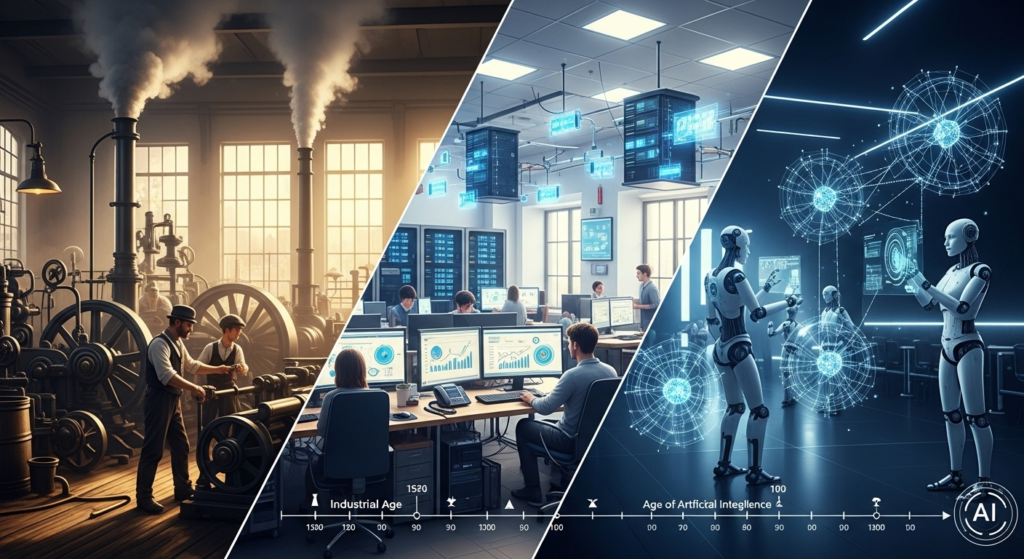
Understanding Innovation in Today’s Context

Innovation in the modern world goes beyond inventing new products. It involves improving existing systems, creating efficient processes, and finding smarter ways to address challenges. It is about thinking differently and turning ideas into value. Whether it is a small business finding a better way to serve customers or a large company developing advanced technologies, innovation plays a central role.
In the past, innovation was often associated with major scientific breakthroughs. Today, it is more accessible and continuous. With digital tools, global connectivity, and easy access to information, anyone with creativity and determination can innovate. This shift has made innovation a daily practice rather than a rare event.
The Role of Technology in Driving Innovation
Technology is one of the biggest drivers of innovation in the modern world. Advancements in artificial intelligence, cloud computing, data analytics, and automation have transformed industries. Businesses can now analyze large amounts of data to make informed decisions, improve efficiency, and deliver personalized experiences.
Communication has also evolved dramatically. Social media platforms, video conferencing tools, and instant messaging have connected people across the globe. This connectivity encourages collaboration and idea-sharing, which fuels innovation. Teams can work together from different parts of the world, bringing diverse perspectives that lead to creative solutions.
However, technology is not the only factor. Innovation also depends on how people use technology. The most successful innovations come from understanding human needs and applying technology in meaningful ways.
Innovation in Business and Economy

In the modern economy, innovation is a key factor that determines success. Businesses that embrace innovation can adapt to changes, stay competitive, and grow faster. Companies are constantly looking for new ways to improve products, enhance customer experiences, and streamline operations.
Startups play a significant role in driving innovation. They often challenge traditional business models and introduce fresh ideas. Their flexibility allows them to experiment and take risks, leading to breakthroughs that larger organizations may hesitate to pursue.
At the same time, established companies are investing heavily in research and development. They are creating innovation labs, encouraging creative thinking among employees, and adopting new technologies to remain relevant. Innovation has become a culture within organizations rather than a one-time effort.
Social Innovation and Its Impact

Innovation is not limited to business and technology; it also plays a vital role in addressing social issues. Social innovation focuses on creating solutions that improve the quality of life for communities. It includes initiatives in education, healthcare, sustainability, and poverty reduction.
For example, digital education platforms have made learning accessible to people in remote areas. Healthcare innovations, such as telemedicine, allow patients to consult doctors without traveling long distances. Renewable energy solutions are helping reduce environmental impact and promote sustainability.
These innovations demonstrate that progress is not just about economic growth but also about improving human well-being. Social innovation ensures that the benefits of progress reach a wider audience.
The Importance of Creativity and Mindset
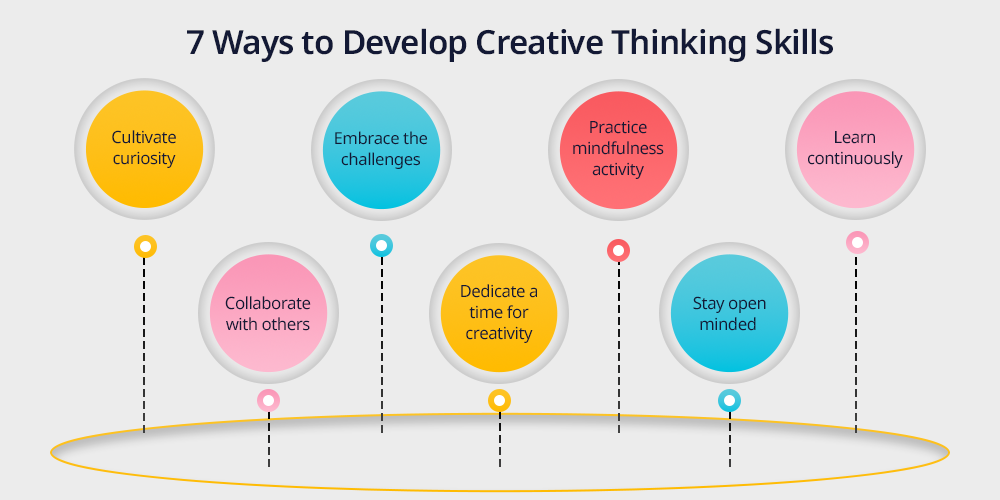
At the heart of innovation lies creativity. It is the ability to think beyond conventional boundaries and explore new possibilities. In the modern world, creativity is not limited to artists or designers; it is essential in every field.
An innovative mindset involves curiosity, openness to change, and a willingness to take risks. It requires individuals to question existing methods and look for better alternatives. Failure is often a part of the innovation process, but it provides valuable lessons that lead to improvement.
Organizations are increasingly encouraging creative thinking among employees. They are creating environments where ideas are welcomed, and experimentation is supported. This shift has made innovation a collaborative effort rather than an individual achievement.
Challenges in the Age of Innovation
While innovation brings many opportunities, it also comes with challenges. One of the biggest challenges is keeping up with rapid changes. Technology evolves quickly, and businesses must constantly adapt to stay relevant. This can be overwhelming, especially for smaller organizations with limited resources.
Another challenge is the risk associated with innovation. Not all ideas succeed, and investing in new initiatives can be uncertain. Organizations must balance innovation with stability to ensure sustainable growth.
There are also ethical concerns. With advancements in technology, issues such as data privacy, cybersecurity, and the impact of automation on jobs have become important. Innovators must consider the social and ethical implications of their work to ensure responsible progress.
The Role of Education in Fostering Innovation
Education plays a crucial role in shaping innovative thinkers. Modern education systems are shifting from traditional methods to more interactive and practical approaches. Students are encouraged to think critically, solve problems, and work collaboratively.
Skill development is also essential. In addition to technical skills, soft skills such as communication, adaptability, and creativity are becoming increasingly important. Lifelong learning has become a necessity, as individuals must continuously update their knowledge to keep pace with changes.
Educational institutions, along with online learning platforms, are providing opportunities for people to learn new skills and explore innovative ideas. This has made education more flexible and accessible.
Innovation in Everyday Life

Innovation is not limited to large-scale developments; it is also present in everyday life. From mobile apps that simplify daily tasks to smart home devices that improve convenience, innovation has made life easier and more efficient.
People are constantly finding new ways to improve their routines, manage time, and enhance productivity. Even small changes, such as adopting new habits or using digital tools effectively, can be considered forms of innovation.
This shows that innovation is not just about big ideas but also about continuous improvement. It is a mindset that can be applied in all aspects of life.
The Future of Innovation

The future of innovation looks promising and dynamic. Emerging technologies such as artificial intelligence, biotechnology, and renewable energy are expected to bring significant changes. These advancements have the potential to solve complex global challenges and create new opportunities.
Collaboration will play a key role in future innovation. Governments, businesses, and individuals will need to work together to address issues such as climate change, healthcare, and economic inequality. Innovation will become more inclusive, involving diverse perspectives and ideas.
Sustainability will also be a major focus. Future innovations will aim to balance progress with environmental responsibility. This approach will ensure that development benefits both present and future generations.
Conclusion
Innovation in the modern world is a powerful force that drives progress and transformation. It influences every aspect of life, from technology and business to social development and personal growth. As the world continues to evolve, the importance of innovation will only increase.
By embracing creativity, staying open to change, and focusing on meaningful solutions, individuals and organizations can harness the power of innovation. It is not just about creating something new but about making life better, more efficient, and more sustainable. In a rapidly changing world, innovation is the key to building a brighter future.
FAQ
1. What is innovation in the modern world?
Innovation in the modern world refers to creating new ideas, improving existing systems, and finding better ways to solve problems using creativity and technology. It goes beyond inventions and includes changes in processes, services, and thinking.
2. Why is innovation important today?
Innovation is important because it helps individuals and businesses adapt to change, stay competitive, and grow. It also plays a key role in solving global challenges and improving quality of life.
3. How does technology influence innovation?
Technology provides tools and platforms that make innovation faster and more accessible. It enables communication, data analysis, and automation, which help in developing new solutions and improving efficiency.
4. What are the challenges of innovation?
Some common challenges include rapid changes, financial risks, uncertainty of success, and ethical concerns such as data privacy and job displacement due to automation.
5. How can individuals become more innovative?
Individuals can become more innovative by staying curious, learning new skills, embracing creativity, taking risks, and being open to new ideas. Continuous learning and problem-solving are key to developing an innovative mindset.